Canadian made furniture is easy to ask for and harder to define. Labels such as Made in Canada, Product of Canada and Assembled in Canada mean different things, and they are not interchangeable. This guide explains what each phrase can mean, why shoppers look for local manufacturing, what an origin label does and does not tell you about quality, and which questions to ask before you buy a sofa or any other large piece.
What "Made in Canada" Can Mean
Origin claims on most non-food products are guided by the Competition Bureau of Canada, and the exact wording matters. The summary below follows the Bureau's published guidance in general terms. Guidance can change, so confirm the current rules on the Bureau's website if the details matter to you.
- Product of Canada: intended for goods whose last substantial transformation happened in Canada and where all or virtually all of the direct costs of making them were incurred here. The guidance sets the bar at 98 per cent.
- Made in Canada: the last substantial transformation of the product happened in Canada, at least 51 per cent of the direct production costs were incurred here, and the claim comes with a qualifying statement such as "with imported parts" or "with domestic and imported parts".
- Assembled in Canada: describes where final assembly took place. It says little about where the parts or materials came from.
- Designed in Canada: describes where the design work was done, not where the piece was manufactured.
- Canadian-owned: describes the company, not the product.
In plain terms, the last substantial transformation is the final major step that turns materials into the finished product. Most furniture is a mix of frames, springs, foam, fabric, leather, hardware and finishes, so even a piece that is genuinely made in Canada may include imported components. That is normal, and a good label says so honestly.
Why Shoppers Look for Canadian Made Furniture
People have several practical reasons for choosing locally made furniture. None of them is a guarantee on its own, but together they explain the interest:
- Shorter supply chains: a piece made closer to home often travels a shorter distance from the workshop to the retailer, which can make shipping simpler.
- Local jobs and skills: buying from Canadian makers supports manufacturing work and skilled trades in the country.
- Customization: some Canadian workshops build to order, so you may be able to choose a size, fabric, finish or configuration.
- Easier follow-up: when a maker is in the same country and time zone, questions about parts, repairs or care can be simpler to resolve.
These benefits vary from maker to maker. Treat them as reasons to ask good questions rather than proof that one particular piece is better than another.
What an Origin Label Does Not Tell You
Origin and quality are separate questions. A well-built sofa can come from anywhere, and so can a poorly built one. How a piece holds up depends on its construction: the frame, the joinery, the cushion fill, the seat support and the covering. If you are comparing coverings, our guide to leather vs fabric sofas explains how each one wears.
On any sofa or chair, wherever it was made, look closely at:
- The frame material and how the corners are joined
- Cushion construction and the type of fill
- Seat support, such as springs or webbing
- The covering and its care instructions
- The written warranty information for that specific piece
Custom Orders and Lead Times
Made-to-order furniture is where local workshops often stand out, but it asks for patience. A piece built for you after you order usually takes longer to arrive than one that is already finished, and lead times differ by maker and by time of year. Ask for the expected timeframe in writing before you commit, and plan your move or your event with some margin.
Customization works best when you settle a few decisions first: the room measurements, the size and layout, and the covering. If colour is the open question, our look at sofa colour trends for 2026 is a useful place to start before you compare swatches. Also ask whether a special order can be exchanged or returned, since terms for made-to-order pieces can differ from those for items already in the showroom.
Questions to Ask a Retailer
These work at any store, in person or by phone:
- Is this piece labelled Made in Canada, Product of Canada or Assembled in Canada, and what exactly does the tag say?
- Which major components, such as the fabric, leather, foam or hardware, come from outside Canada?
- Can I choose the size, covering, finish or configuration, and how does that change the lead time?
- What does the warranty cover, and where can I read it?
- What are the exchange and return terms for this piece, including special orders?
- How should I care for the covering or finish?
A knowledgeable team member should be able to answer these or find out for you. If an answer sounds vague, ask to see it in writing.
Frequently Asked Questions
What does Made in Canada mean on furniture?
It generally means the last substantial transformation of the product took place in Canada and a majority of the direct costs were incurred here, with a statement noting any imported parts. Product of Canada sets a much higher bar. Check the tag or product listing, and ask the retailer if the wording is unclear.
Is Canadian made furniture better quality?
Not automatically. Where a piece is made does not tell you how well it is built. Look at the frame, joinery, cushion fill, covering and warranty, and compare pieces side by side. Local manufacturing can add benefits such as customization and shorter supply chains, but construction is what decides how a piece ages.
Is Assembled in Canada the same as Made in Canada?
No. Assembled in Canada describes where final assembly took place, and the parts may have been made elsewhere. Made in Canada has its own conditions about where the last major production step happened and how much of the cost was incurred in Canada. Ask which claim applies to the piece you like.
Does Rockwell Home carry Made in Canada furniture?
Rockwell Home offers a Made in Canada selection. Details differ from piece to piece, so ask a showroom advisor which items are part of that selection and what the tag says about each one. You can also call the showroom at 825-305-1850 with questions before you visit.
See Made in Canada Pieces in Person
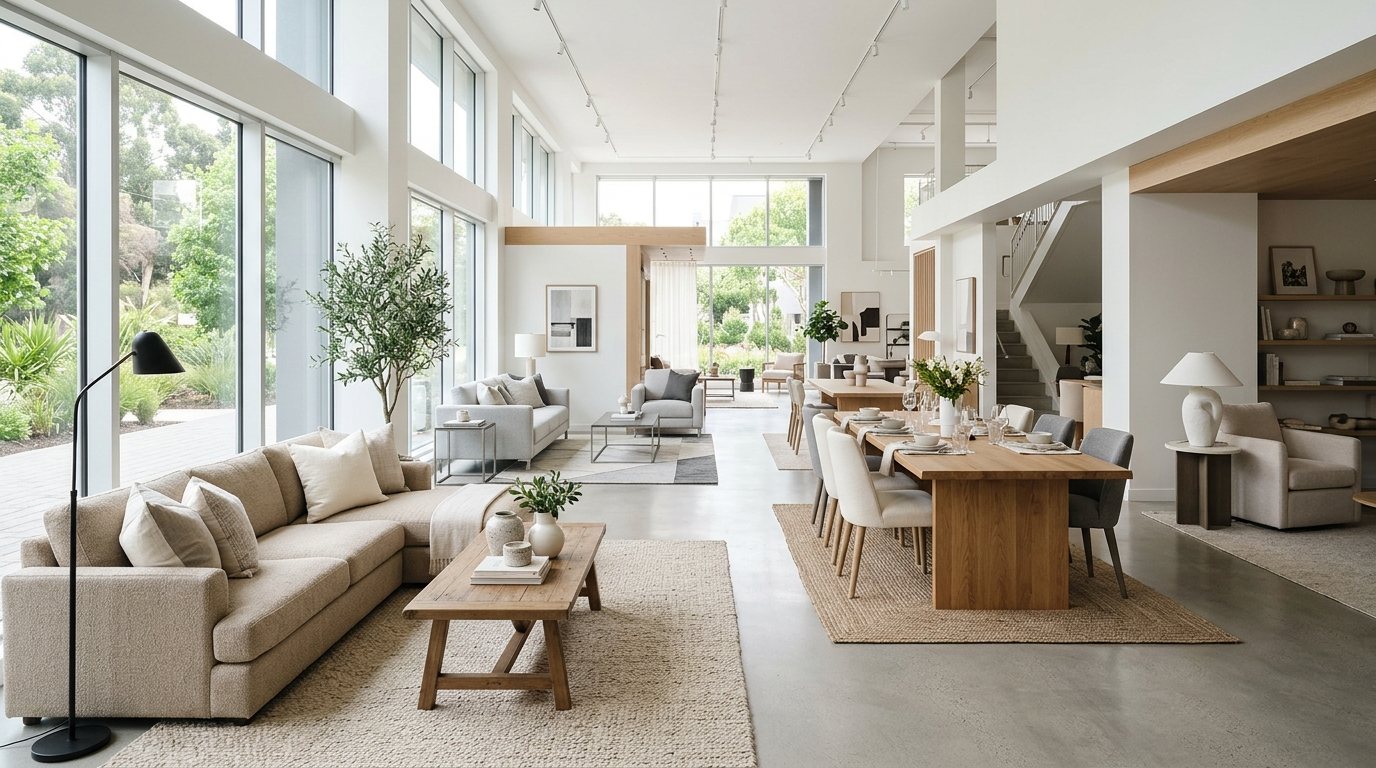
The easiest way to understand an origin label is to read it on the tag and compare pieces side by side. Visit our showroom at Unit D200, 9737 Macleod Trail SW in Calgary and ask about the Made in Canada selection, or start online with the living room and sectional collections.


Comments
Loading comments...
Leave a comment
Your email address is never shown or shared. Comments are read by our team before they appear.