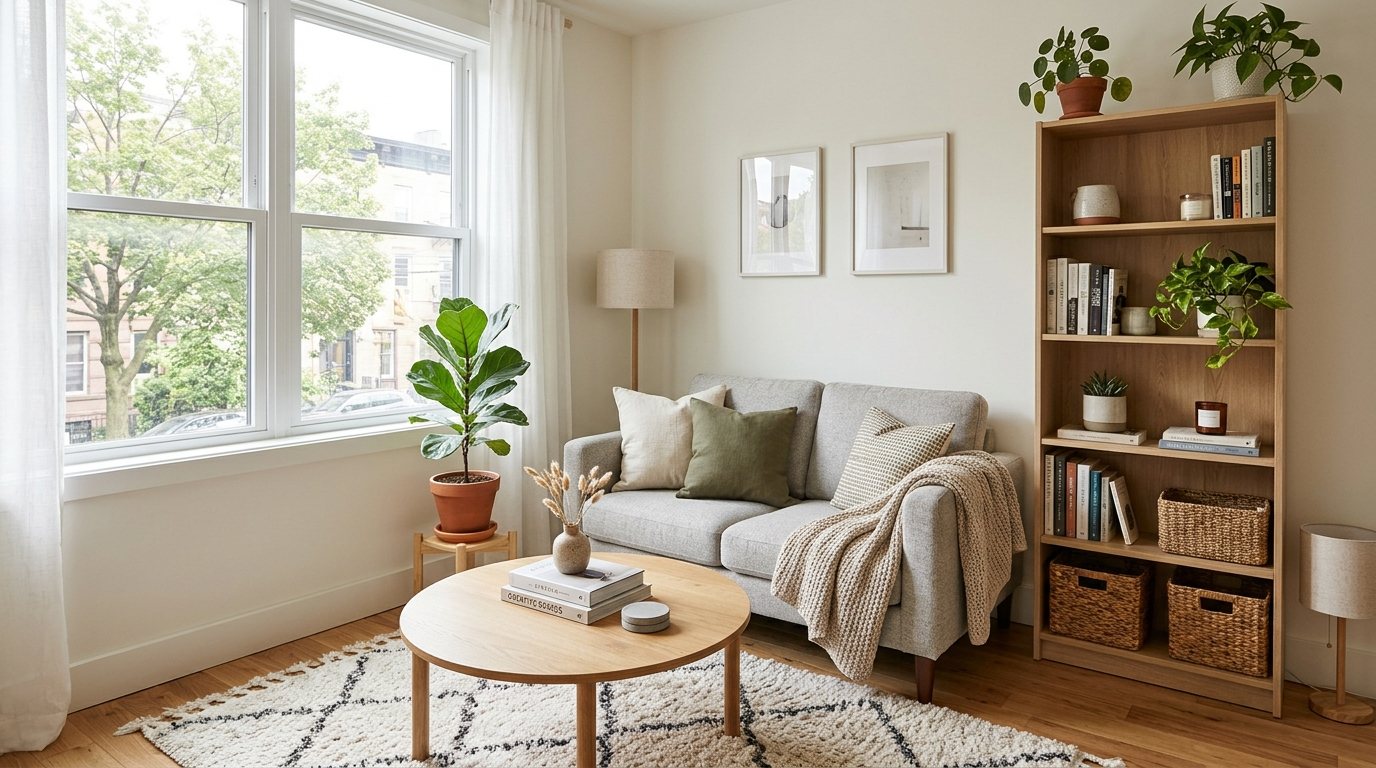
Loveseat vs sofa is one of the first decisions when you furnish a living room, and the right answer depends mostly on your space and how many people use it. This guide explains the real differences in size and seating, gives typical measurements as ranges, and shows when a loveseat, a sofa or a matching set makes the most sense. If you already know you want a compact piece, browse our loveseats as you read.
The Basic Difference: Seating and Width
A loveseat is a small sofa that seats two. A sofa, often called a couch, is longer and usually seats three, sometimes four. Both share the same basic build: arms, a back and seat cushions. The difference is mostly length, though loveseats also tend to be a little lighter and easier to move.
The names are used loosely. Some stores list compact sofas that sit between the two sizes, so always go by the listed measurements rather than the label.
Typical Sizes (Check the Product Page)
Every design is different, but these ranges give you a starting point:
- Loveseat width: roughly 50 to 70 inches (127 to 178 cm)
- Sofa width: roughly 72 to 96 inches (183 to 244 cm), with many falling between 80 and 90 inches
- Depth: about 32 to 42 inches (81 to 107 cm) for most designs, with reclining models usually deeper
- Height: about 31 to 40 inches (79 to 102 cm) to the top of the back
Width is only part of the picture. A sofa with thick arms can take up more room than its seating width suggests, so compare overall width as well as seat width.
How to Match the Size to Your Room
As a loose guide, a living room smaller than about 10 by 12 feet (3 by 3.7 m) often suits a loveseat or compact sofa, while larger or open-plan rooms can handle a full-size sofa. A common design guideline is that a sofa looks balanced at about two thirds of the length of the wall behind it.
Leave 30 to 36 inches (76 to 91 cm) for main walkways, and about 14 to 18 inches (36 to 46 cm) between the sofa and the coffee table. Mark the footprint on the floor with painter's tape to see how it feels before you buy, and note where windows, vents, outlets and door swings fall. Our guides to furniture for small living rooms and condos and living room layouts that work give more ideas.
When a Loveseat Is the Better Choice
- Small living rooms and condos: a loveseat leaves room for a walkway, a side table or a media unit.
- Bedrooms, dens and offices: it makes a comfortable spot to read or sit without crowding the room.
- Entryways and bay windows: a short piece fits where a full sofa cannot.
- Second seating: a loveseat can sit opposite a sofa or form an L shape in a larger room.
- Tight access: smaller pieces are easier to move through narrow doors, stairs and elevators.
If you like to recline, reclining loveseats give you that feature in a smaller footprint, but check how much room they need behind and in front when they are open.
When a Sofa Is the Better Choice
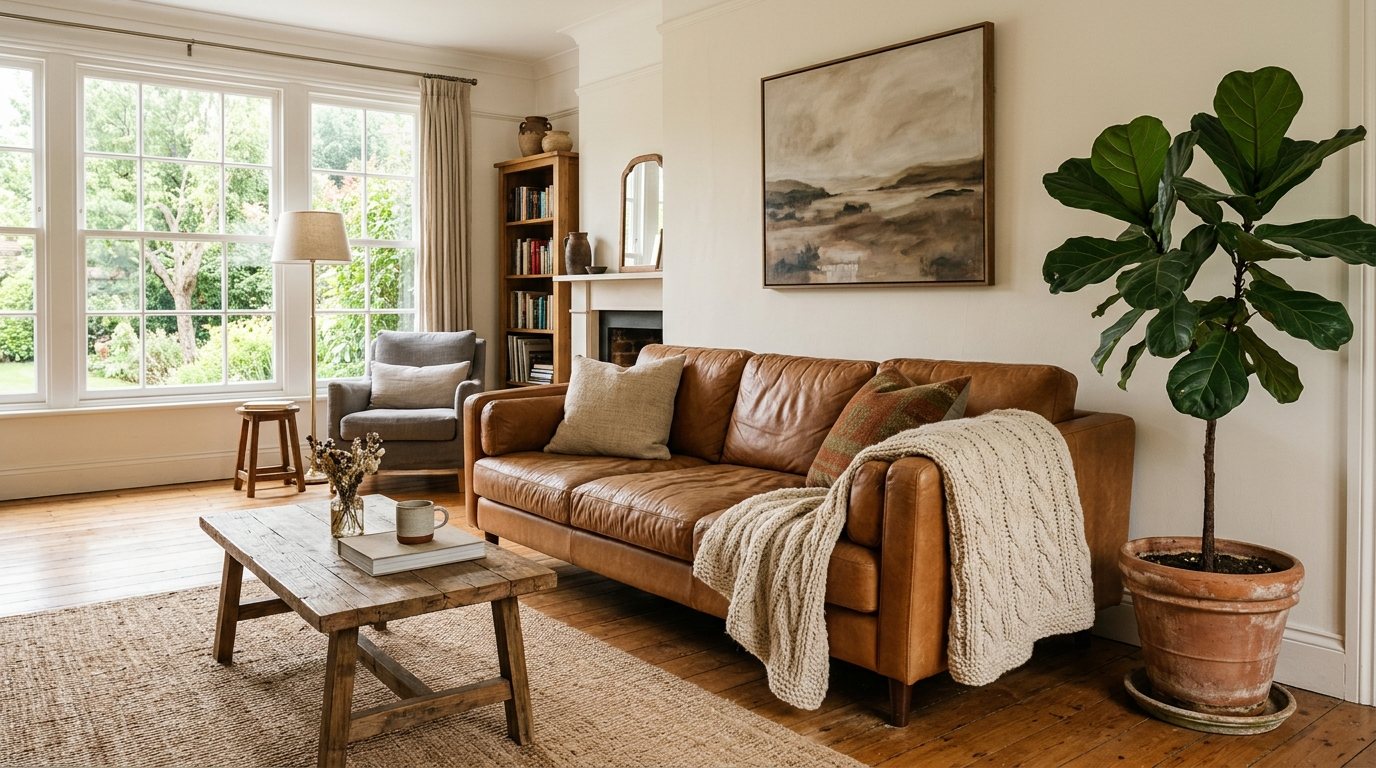
Choose a sofa when three or more people sit together regularly, such as for family movie nights, or when you want enough length to stretch out. Sofas also anchor a large room better, because a loveseat can look too small on a long wall. If you host often, the extra seat makes a big difference.
Before you commit to the longer piece, run through a few checks:
- Can you still walk around it, and open doors, drawers and windows?
- Does the arm style leave room for a side table or lamp?
- Does the seat depth suit how you sit, upright or with your feet up?
- Can the sofa reach the room through your doors, hallways and stairs?
Sofa and Loveseat Sets
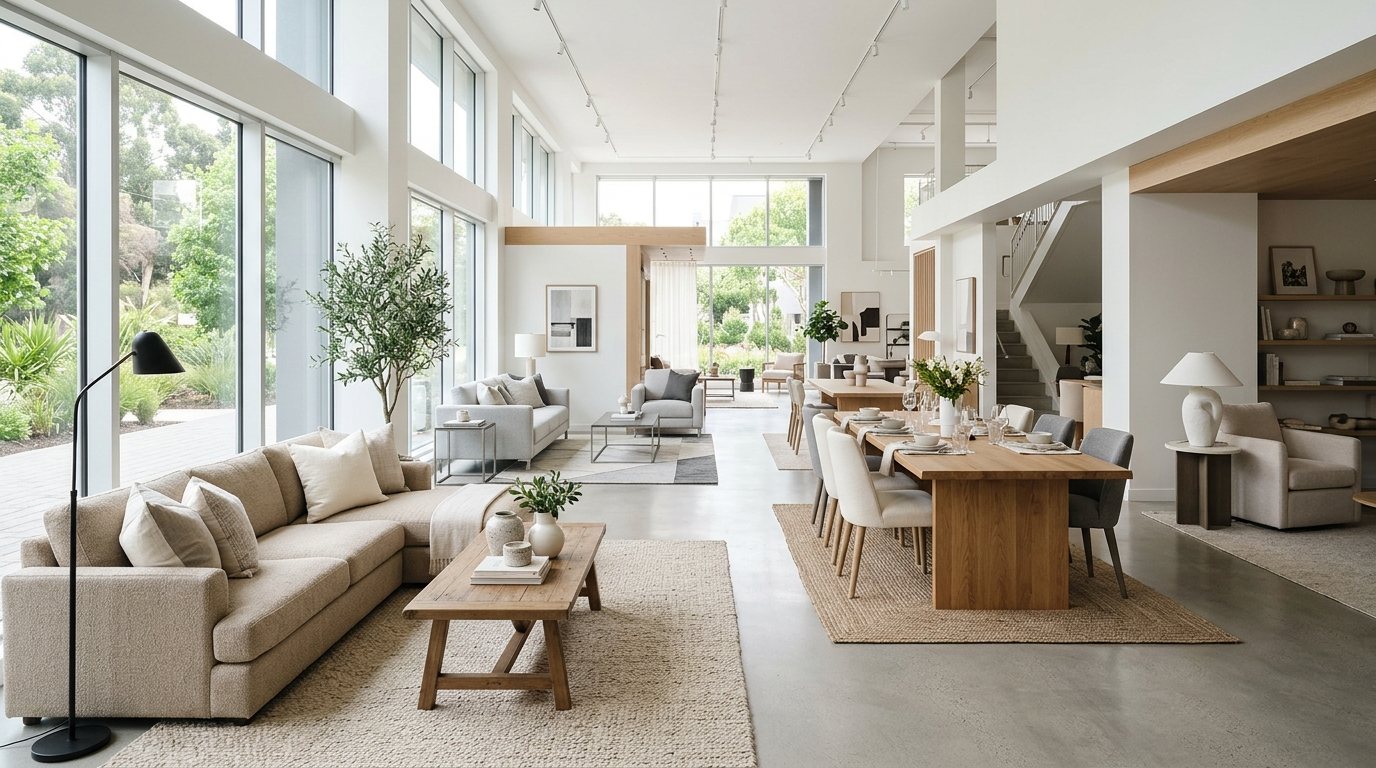
A sofa and loveseat set takes the guesswork out of matching fabric, colour and style, and gives you five seats in a coordinated look. It works best in a medium or large room where the two pieces can face each other or form an L without blocking doors or traffic. Browse our living room sets to see how matching pieces look together.
If your room is smaller, you can still create a coordinated look by pairing a loveseat with an accent chair or two. Choosing separate pieces also lets you mix textures.
Pairing With Accent Chairs and Ottomans
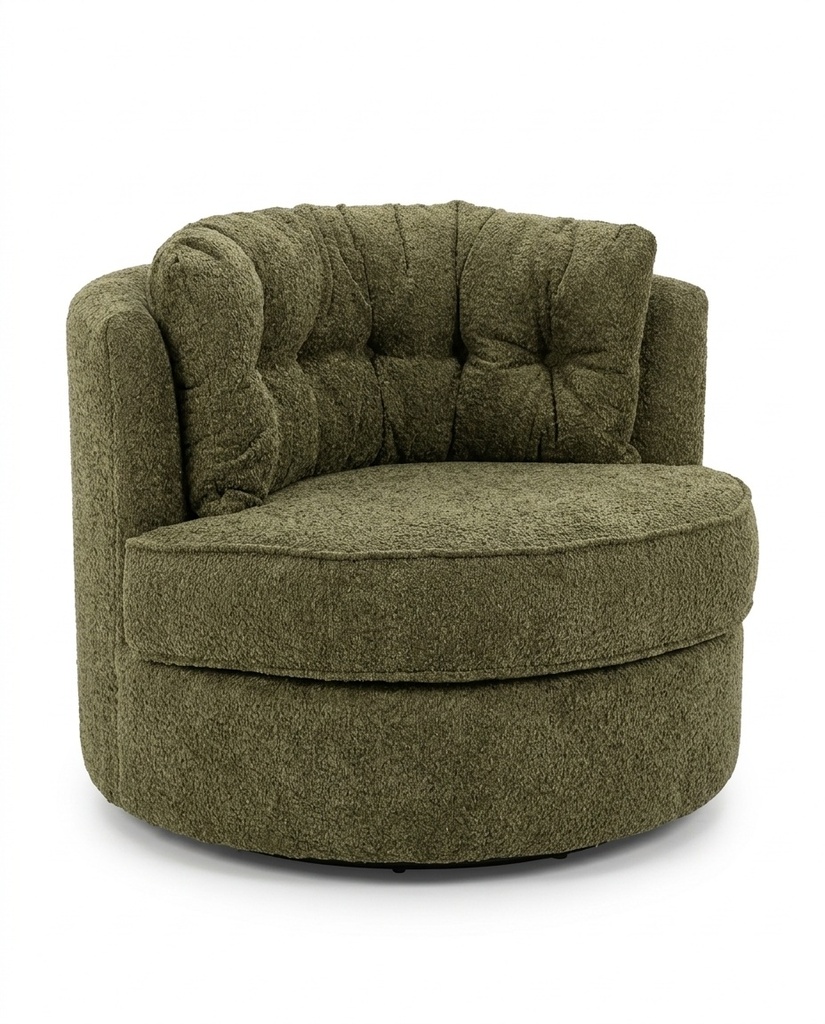
A loveseat plus two accent chairs creates a conversation area with the same seating as a sofa, but with more flexibility to move pieces around. Add an ottoman that doubles as extra seating or a footrest, and you have a layout that adapts to guests. Choose chairs with a similar seat height to the loveseat, so the group feels balanced.
Keep the seating group close enough for easy conversation. A common design guideline is to place the main seats within about 8 feet (2.4 m) of each other. If the loveseat faces a television, place the accent chairs at an angle so nobody has to twist to see the screen.
Frequently Asked Questions
How many people does a loveseat seat?
A loveseat is designed for two adults, and some designs also fit a child or a pet comfortably. A standard sofa usually seats three. Seat width varies by model, so check the product page for the measurements instead of relying on the name alone.
What size room do I need for a sofa?
There is no fixed rule, but a room smaller than about 10 by 12 feet often suits a loveseat or compact sofa, while larger or open rooms can take a full-size sofa. Leave 30 to 36 inches for walkways and mark the footprint with tape before you decide.
Is a loveseat the same as a couch?
Not exactly. Couch is a general word for upholstered seating that holds more than one person. A loveseat is a small couch that seats two, while a sofa is longer and usually seats three. Many people use sofa and couch to mean the same thing.
Can a loveseat be my main seating?
Yes, in a small living room, condo or den it can work well, especially paired with one or two accent chairs and an ottoman. If you often have more than two people sitting at once, a sofa or a sofa and loveseat set gives you more room.
See Sofas and Loveseats in Person at Our Showroom
Sitting on both is the quickest way to judge size and comfort. Visit our Calgary showroom at Unit D200, 9737 Macleod Trail SW and try loveseats and sofas side by side, or browse our accent chairs to find a partner for the piece you choose.


Comments
Loading comments...
Leave a comment
Your email address is never shown or shared. Comments are read by our team before they appear.