
Textured fabrics are everywhere in sofa design right now, and three names come up most often: boucle, corduroy and chenille. If you are weighing a boucle sofa against a corduroy or chenille one, this guide explains how each looks and feels, how they wear, which suit pets and kids, and how to test a swatch before you decide. Browse our sofas to feel the difference in person.
How Each Fabric Looks and Feels
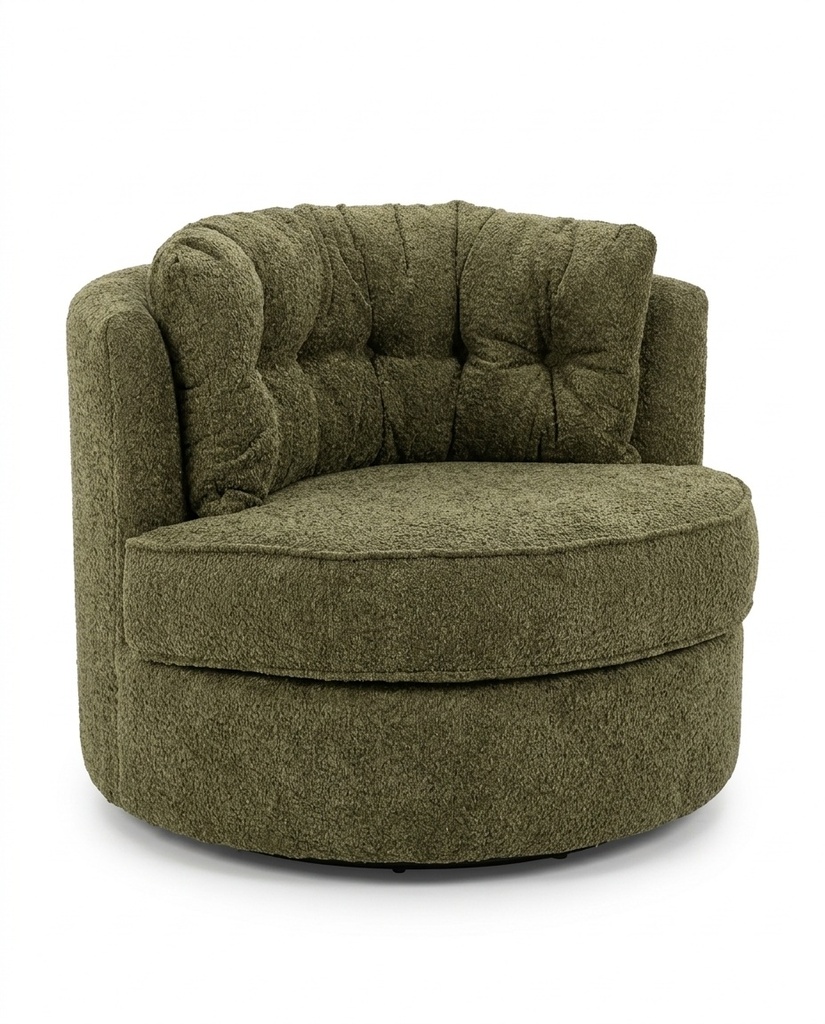
- Boucle: the name comes from the French word for a loop or curl. The yarn is looped and nubby, which gives a soft, cloud-like, matte surface that is often seen in cream and white. It feels springy and cosy and adds a lot of visual texture.
- Corduroy: a cut pile arranged in raised ribs, called wales. Wide ribs look chunky and relaxed, and fine ribs look more tailored. The ribs catch the light, so deep colours often look richer.
- Chenille: a soft, fuzzy yarn with short fibres standing out from a core. It has a plush, velvety hand and a gentle sheen, and it drapes softly over cushions.
All three are popular because they add depth to a neutral room without needing a pattern. A single textured piece can warm up a space of smooth walls and flat paint.
Durability and Snag Risk
The fabric name tells you only part of the story. The fibre, the weave density and the backing decide how it wears, and they vary from one maker to the next. Still, each texture has habits worth knowing.
- Boucle can snag, because the loops can catch on claws, zippers, jewellery and hook-and-loop fasteners. Tight, dense loops usually snag less than long, loose ones. If a loop does catch, do not pull it, because that can spread the damage.
- Corduroy has a sturdy, ribbed surface that tends to be less prone to pulling. The pile can flatten or show a sheen in the spots you use the most, which is part of its lived-in character.
- Chenille feels soft, but the pile may flatten or show pressure marks, and claws can pull at it. A tightly woven base helps.
Ask the store for the fabric's abrasion rating. Rub-test results, such as double rubs or Martindale cycles, give a general idea of wear resistance, and higher numbers usually mean more resistance. Only compare numbers from the same test, because different tests are not directly interchangeable. Our guide on performance fabrics explains what else to ask about.
Cleaning Basics for Textured Fabrics
Always check the care label or tag, and test any cleaner on a hidden spot first. The general approach is gentle and dry for most upholstery:
- Vacuum weekly with a soft brush attachment, using light pressure.
- Blot spills straight away with a clean, absorbent cloth. Rubbing can push the spill deeper or crush the pile.
- On corduroy, vacuum along the ribs and brush the pile in one direction to even out its look.
- On boucle, avoid scrubbing, because that can fuzz or pull the loops.
- On chenille, avoid soaking the fabric and let any damp area dry naturally.
For more detailed routines, read our guide on how to care for a velvet or boucle sofa.
Which Texture Suits Pets, Kids and Sunny Rooms?
- Pets: if you have a scratching cat, a tight weave or corduroy often copes better than a long-looped boucle. Light fabrics show dark fur, while darker ones show light fur, so choose a tone close to your pet's coat.
- Kids: a mid-tone, textured fabric hides small marks better than a pale smooth one. An easy-care version of your preferred texture can be worth asking about.
- Sunny rooms: many dyed fabrics fade with long exposure to direct sun. Curtains or a different position can help, whichever texture you pick.
How to Test a Swatch
- Ask for a swatch and take it home so you can see it in your own light.
- Run your hand across it in both directions. Pile and ribs can look different from each way.
- Press and crumple it, then see how quickly the surface recovers.
- Gently drag a fingernail across a boucle swatch to see how easily the loops lift.
- Check the care tag and ask about the abrasion rating.
- Sit on a full-size piece in the showroom before you decide.
Pairing Textures in One Room
Pick one star texture and let the others support it. A chunky boucle accent chair can sit well beside a fine-rib corduroy sofa, as long as the colours are in the same family. Add smooth materials, such as wood, leather or linen-look cushions, so the room has places for the eye to rest. As a guideline, two or three textures feel layered, while five or six can feel busy.
Frequently Asked Questions
What is the best sofa fabric for durability?
There is no single best fabric. Look for a tight weave, quality fibres, a good abrasion rating and a sturdy backing, and check that the care instructions suit your household. Within textured fabrics, a dense corduroy or a tightly looped boucle generally holds up better than a loose, long-looped one.
Is a boucle sofa a good idea with cats or dogs?
It can be, but loops can snag on claws. A tight, dense boucle is safer than a long, loose one, and a scratching cat is the main risk. Consider a different texture if your pet scratches furniture, and do not pull a loop if one catches.
Is corduroy a good sofa fabric?
Yes, it is a popular choice. The ribs add texture and hide small marks, and the cut pile feels soft. The pile can flatten in heavily used spots, so check the rub rating, vacuum along the ribs and ask the store for the specific care instructions.
Do textured sofa fabrics fade in the sun?
Many dyed fabrics fade over time with long exposure to direct sunlight, whatever their texture. Placing the sofa out of the strongest sun or using curtains and blinds helps. Rotating loose cushions, where the design allows, spreads the exposure more evenly. Ask the store whether the fabric has any lightfastness information.
Feel the Fabrics in Person
Texture is the hardest quality to judge online. Visit our showroom at Unit D200, 9737 Macleod Trail SW in Calgary to run your hand across the fabrics, sit on full-size pieces and compare them in natural light. If you prefer to browse first, our sectionals show many of the same textures in larger layouts.




Comments
Loading comments...
Leave a comment
Your email address is never shown or shared. Comments are read by our team before they appear.