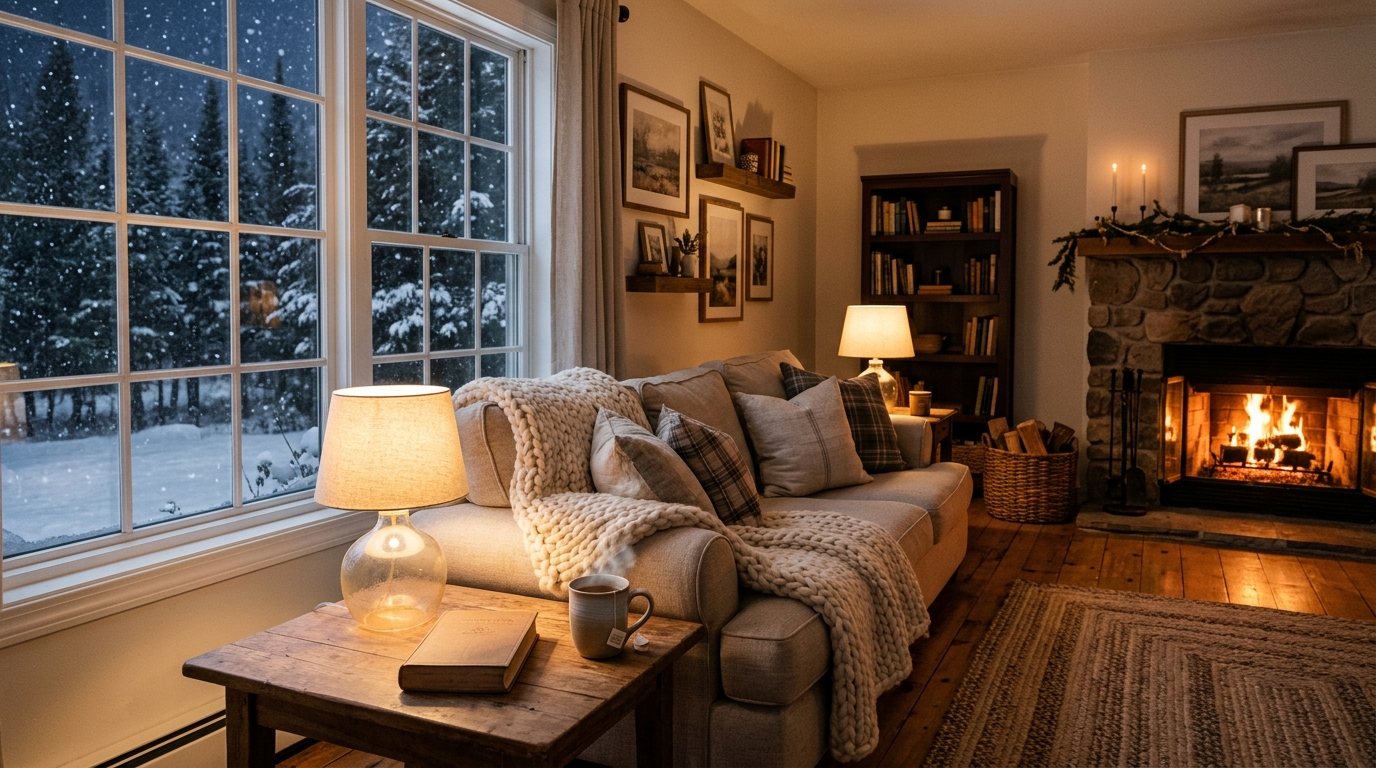
When the temperature drops and the days get short, the living room becomes the place everyone wants to be. These cozy living room ideas focus on what works in a Calgary winter: soft layers, warm light, comfortable seating and a few smart placement choices. None of it needs a full redesign, and you can add it one piece at a time. If you are starting with the furniture itself, browse our living room collection.
Layer Textiles for Instant Warmth
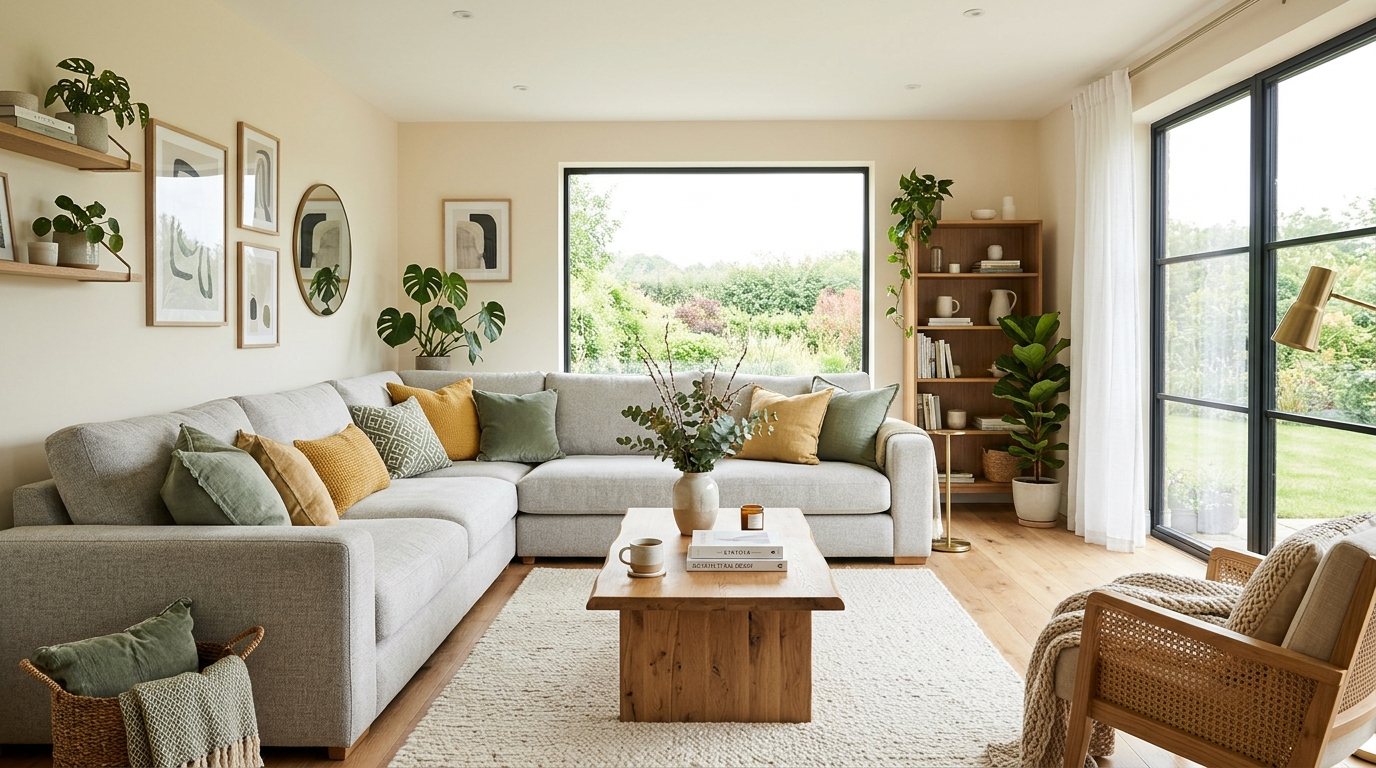
Texture does more for a room's warmth than any single colour. Aim for two or three different materials across the sofa and chairs, such as a chunky knit throw, a woven wool blanket and cushions in a soft, heavier fabric. Layers that look slightly different from one another feel inviting, and they give you something to reach for on a cold evening.
A simple formula for the main seating area:
- One large throw folded over the arm or back of the sofa, so it is always within reach
- Two or three cushions per seat, mixing sizes and textures but staying in a connected colour range
- A basket or a storage ottoman nearby for spare blankets, so they stay tidy between uses
Where you can, choose soft-touch fibres such as wool, cotton and plush or knit weaves. They usually feel warmer to the hand than slick, smooth materials. You can compare weights and textures in our throws and pillows collection.
Start From the Floor With a Rug
Hardwood, laminate and tile look sharp but can feel cold underfoot in January, and a basement living room is often the coolest room in the house. A rug adds a layer of warmth and softness, and it reduces the echo in a room with hard floors.
Size matters more than pattern. As a guideline, choose a rug large enough that at least the front legs of the sofa and chairs sit on it, which ties the seating into one cozy zone. A rug that is too small looks like a doormat and leaves cold floor showing around the edges. A rug pad underneath adds cushioning and helps stop slipping. Browse our area rugs to compare sizes, piles and colours, and keep any rug clear of heaters and vents.
Use Warm, Layered Lighting
Short winter days mean your lamps do a lot of work between late afternoon and bedtime. A single bright ceiling light flattens the room. Aim instead for three layers: a general source such as a ceiling fixture or tall floor lamp, task lighting where you read, and a few low accent lights that glow at about eye level when you are seated.
- Look for bulbs labelled warm white, often around 2700K, for a golden evening glow. Cooler daylight bulbs can feel clinical in a living room.
- Use dimmers or dimmable bulbs so you can lower the light gradually after dinner.
- Put a table lamp on each side of the sofa, or a floor lamp behind a reading chair.
- Switch off the overhead light for movie nights and let two or three lamps do the work.
Browse our lamps and lighting for floor, table and accent ideas, and always match each bulb to the maximum wattage printed on the lamp's label.
Choose Seating That Feels Good in Cold Weather
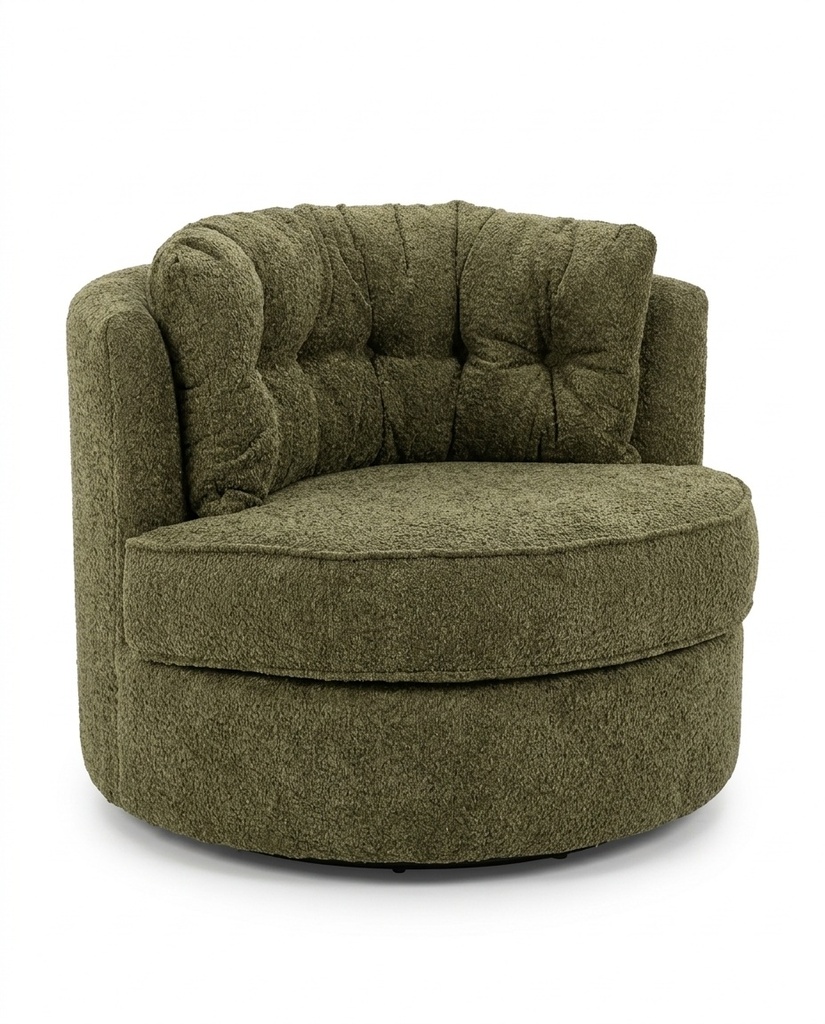
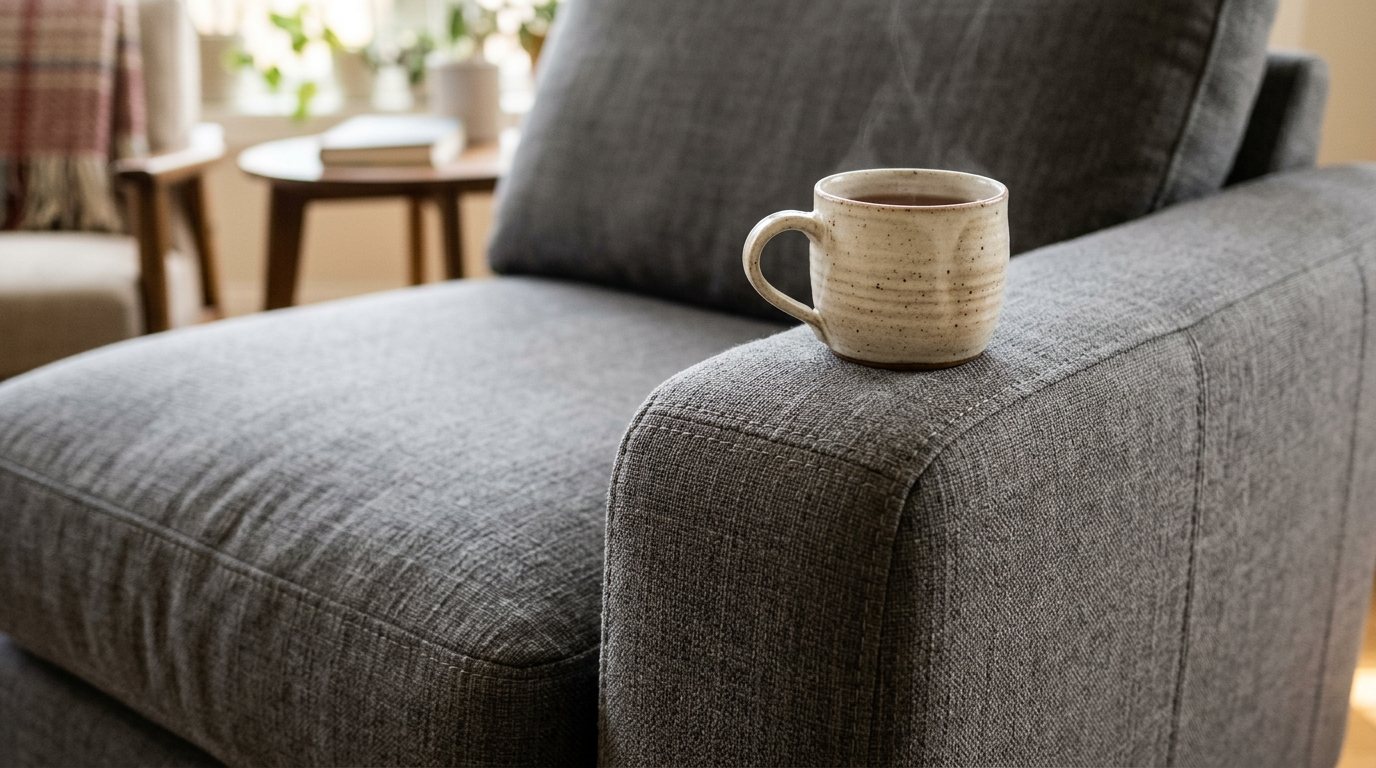
Winter comfort starts with how a seat feels the moment you sit down. Textured fabrics such as chenille, bouclé or a brushed weave tend to feel warm on contact. Leather and other smooth surfaces can feel cool at first in a chilly room and then warm up with body heat, so keep a throw within reach if you love leather.
Deep seats, generous arms and a chaise make it easy to curl up under a blanket. A footrest helps too: an ottoman gives your feet somewhere to go and doubles as extra seating when guests arrive. Winter also means more mugs, snacks and blankets on the sofa, so check the care label on your upholstery and keep spills in mind when you choose a colour.
Mind the Vents, Radiators and Drafts
Where furniture sits matters as much as what it is. Warm air from a floor vent or baseboard heater needs to reach the room, so avoid pushing a sofa tight against it. Blocked vents make a room feel colder, and constant direct heat can dry out wood and leather over time. Leave roughly 30 cm (12 inches) between furniture and any heat source, and follow the heater maker's clearance instructions. Our guide to keeping leather from cracking in Alberta's dry winters covers the care side of this.
For cold corners and windows:
- Hang floor-length, lined or heavier curtains and close them at dusk to hold in warmth.
- Keep the coziest chair a little way back from large or older windows, where the cold is easiest to feel.
- Add a draft stopper where a gap at an exterior door lets cold air in.
- Never let throws, curtains or cushions touch a heater or fireplace.
Add Warm Tones, a Reading Nook and Room for Guests
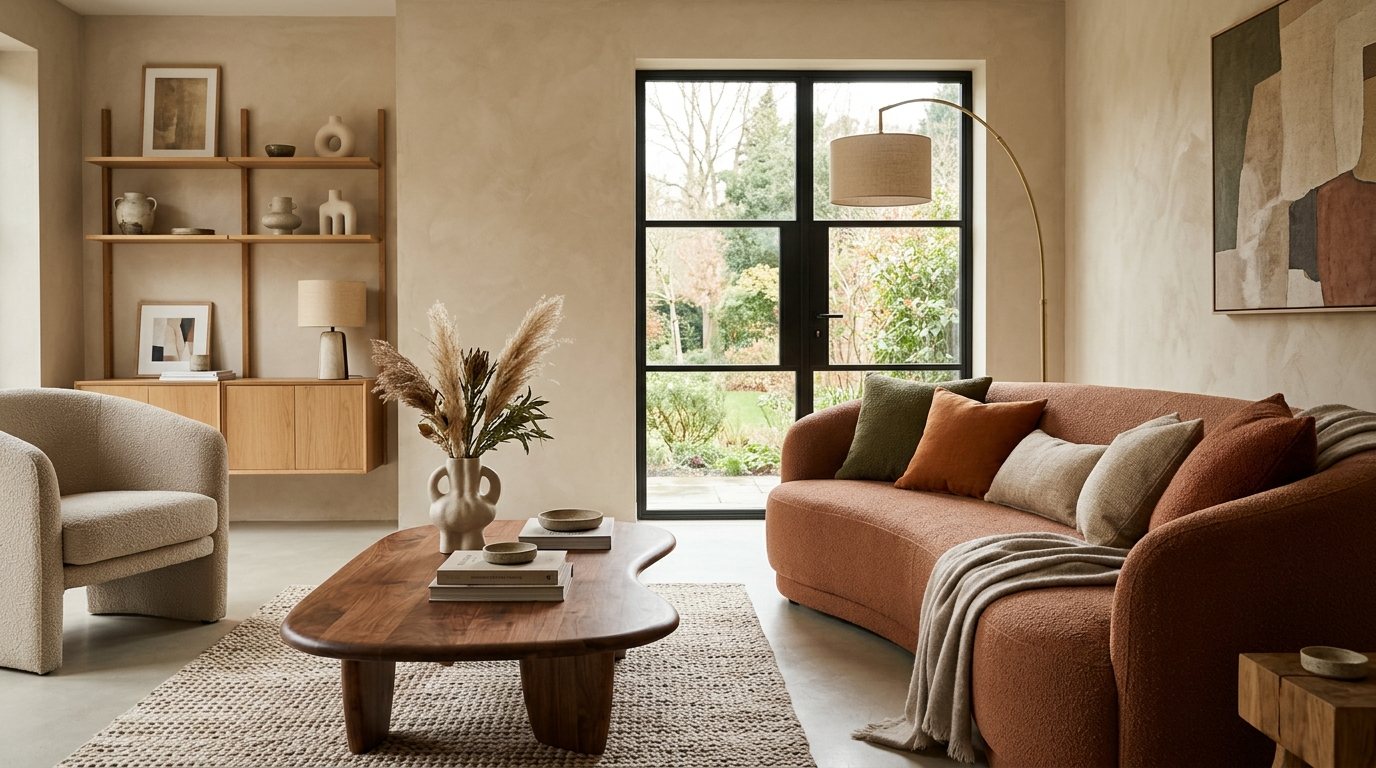
Wood tones, brass or bronze accents and earthy colours such as rust, olive, camel and deep green feel warm even when the thermostat stays low. You do not have to repaint. A wood coffee table, a woven basket or one bold cushion colour can shift the mood of the whole room.
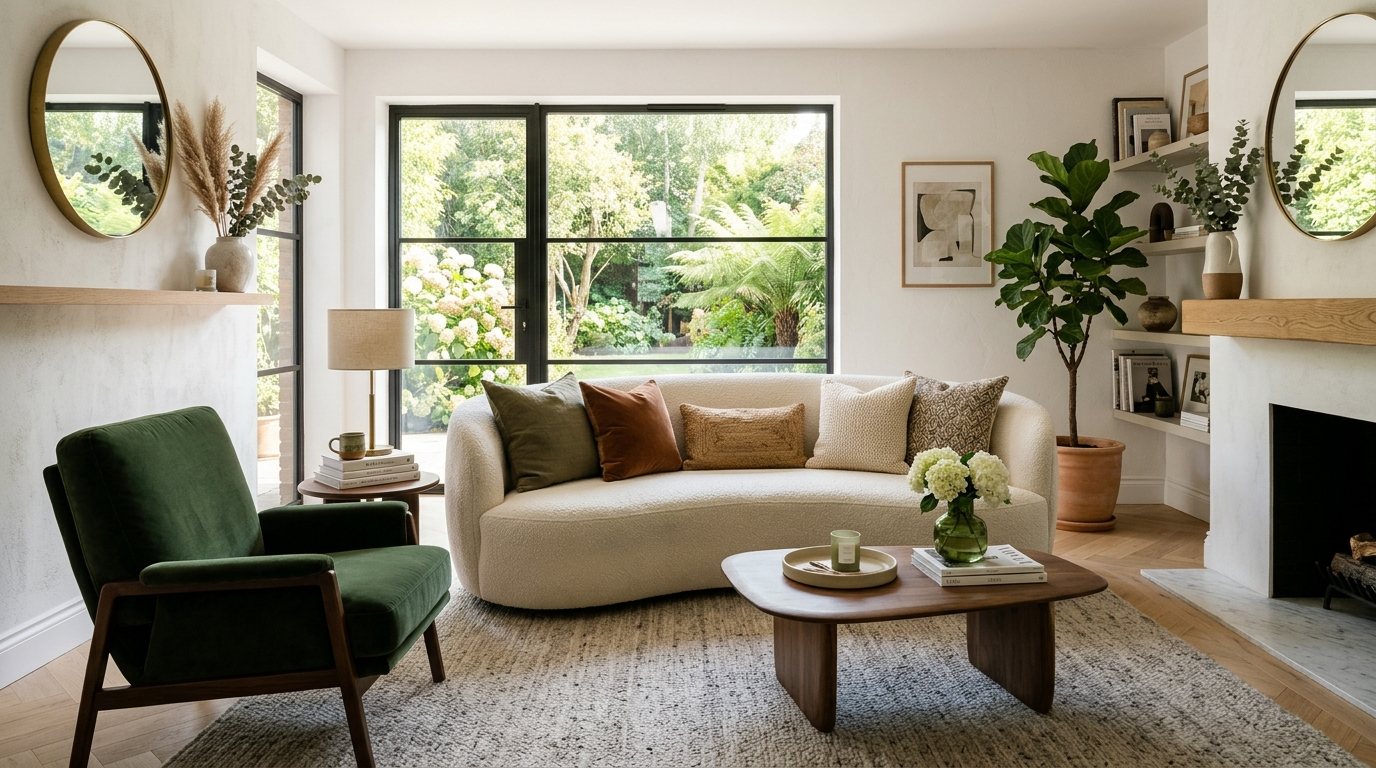
A reading nook is one of the best uses of an empty corner. Pair an accent chair with a small side table for a mug, a floor lamp and a throw, and face it toward the room or a window view rather than a bare wall.
If you host in winter, plan for the practical details: a bench or storage ottoman near the entry for coats and boots, a side table within reach of every seat, and a couple of spare throws so no one is left shivering. A room that is ready for guests also feels more welcoming on an ordinary night.
Frequently Asked Questions
What makes a living room feel cozy in winter?
Layers of texture, warm low lighting, a rug underfoot, comfortable seating and furniture placed so heat can circulate. Pick a few soft materials and repeat them around the room rather than adding many unrelated items. A throw, two lamps and a larger rug often change the feel more than new furniture does.
What colours make a living room feel warmer?
Warm neutrals such as cream, oatmeal, camel and soft taupe tend to feel warm, as do earthy accents like rust, terracotta, olive and deep green. Wood tones help too. Try colour with cushions and throws first, since they are easy to swap if you decide you would rather go in another direction.
How far should furniture be from a heating vent or radiator?
A common guideline is about 30 cm (12 inches), which lets warm air move and protects wood and leather from constant direct heat. Always follow the heater maker's instructions and the furniture's care label, and never place cushions, throws or curtains where they touch a heating element.
How do I make a cold living room floor feel warmer?
Add a rug large enough for at least the front legs of your seating, with a rug pad underneath for cushioning. Thicker piles and natural fibres usually feel warmer underfoot. Check the rug's care instructions, and keep it clear of vents and heaters so it does not trap or block warm air.
See the Textures in Person
Colours and textures look different on a screen than they do in your own living room. Stop by the Rockwell Home showroom at Unit D200, 9737 Macleod Trail SW in Calgary to feel fabrics, compare seat depths and see how pieces look side by side. For more on what is current in seating and colour, read our look at living room furniture trends for 2026.

Comments
Loading comments...
Leave a comment
Your email address is never shown or shared. Comments are read by our team before they appear.