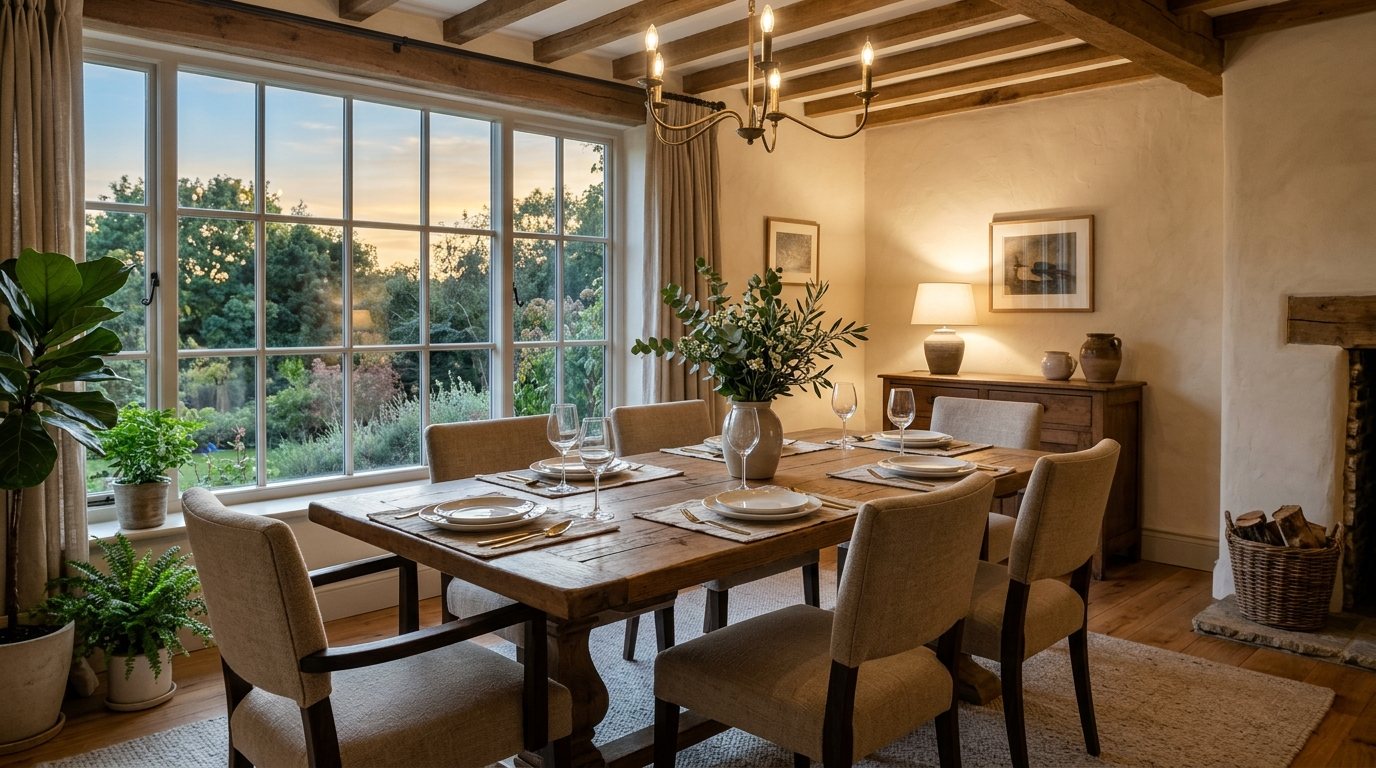
Matching every wood finish in a room used to be the safe rule, but designers now lean toward a more collected look. Knowing how to mix wood tones keeps a room from looking either flat or chaotic, and it frees you from hunting for an exact match. This guide gives you a simple method you can use in a dining room, a living room or anywhere you have wood. If you need a new piece, browse our tables.
Why Mixing Beats Matching
A room where the floor, the table, the chairs and the shelves are all the same finish can feel flat, because nothing stands out. Wood also varies naturally from board to board, so a perfect match is hard to achieve. Mixing adds depth and makes a space look as though it was put together over time. Designers and retailers are also highlighting warm wood tones and a return of darker finishes, so mixed woods fit the current direction. Our overview of living room furniture trends for 2026 shows where this idea sits among other trends.
Start With One Dominant Tone and Its Undertone
Look around the room and find the tone that covers the most area. It is often the floor, or the largest piece of furniture. That becomes your dominant tone, and everything else supports it.
Next, check the undertone. Wood tends to lean warm (yellow, orange or red) or cool (grey, ashy or taupe). Honey oak and cherry often read warm, while grey-washed and ash finishes often read cool. A simple test is to hold two pieces together in daylight, or place a sheet of white paper beside each. Warm with warm, or cool with cool, usually looks calm. Mixing warm and cool is possible, but do it deliberately, with a clear difference and not a near miss.
Repeat Each Tone at Least Twice
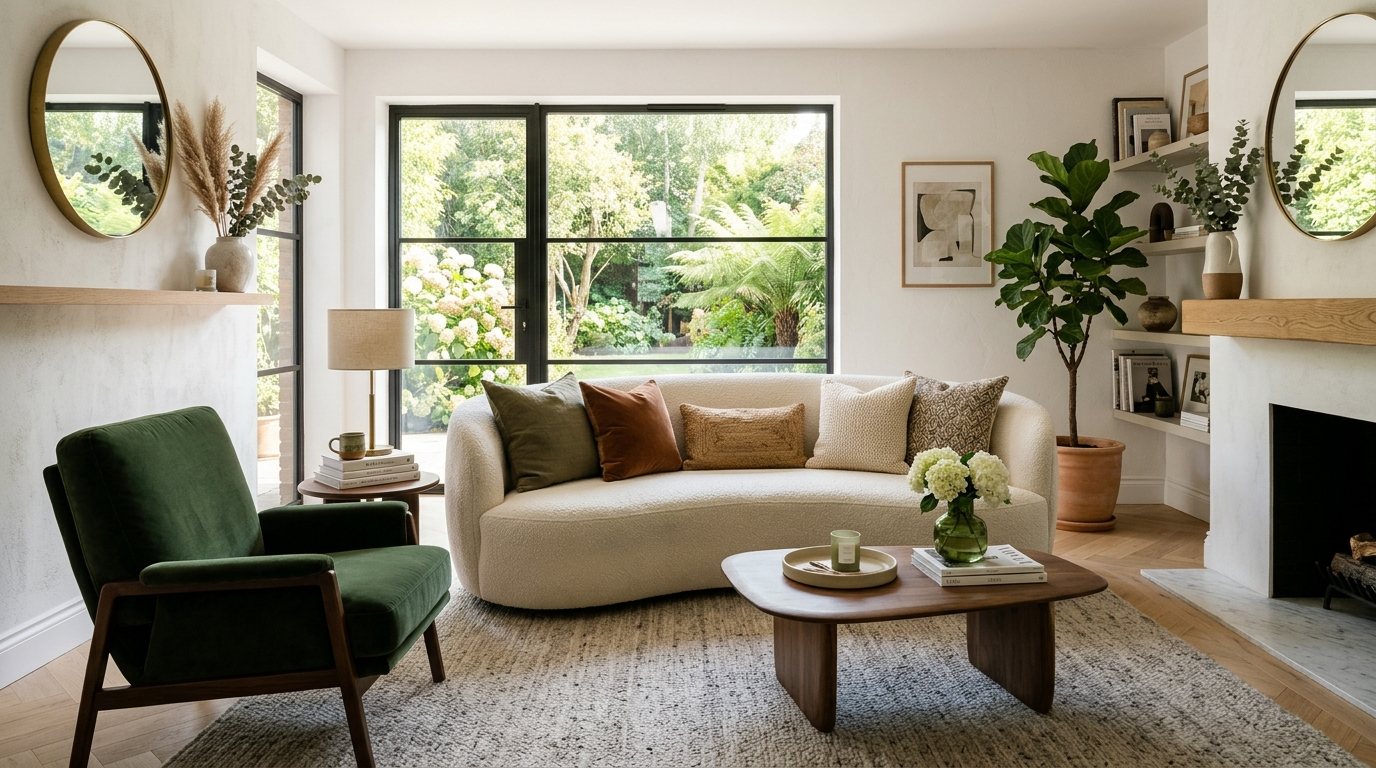
A single wood piece in a room can look like an accident. Repeating each tone in two or more places helps the eye link them together. For example:
- A dark coffee table can be echoed by a picture frame and a lamp base on the other side of the room.
- A light oak dining table can be repeated in a bowl, a stool or a shelf near the doorway.
- A mid-tone sideboard can pick up its colour again in chair legs or a mirror frame.
As a guideline, two or three wood tones in a room look balanced. Four or more often start to feel busy unless the finishes are quite similar.
Vary the Grain and Finish
Two pieces with the same strong grain pattern can compete when they sit side by side. Mix a smooth, fine-grain finish with one that has more visible grain, and a painted or lacquered piece with a natural one. A matte finish next to a satin one adds subtle variety. Keep the scale of the pieces in mind too. A chunky table looks better with slimmer-legged chairs than with another heavy piece.
Bridge the Tones With Metal, Rugs and Textiles
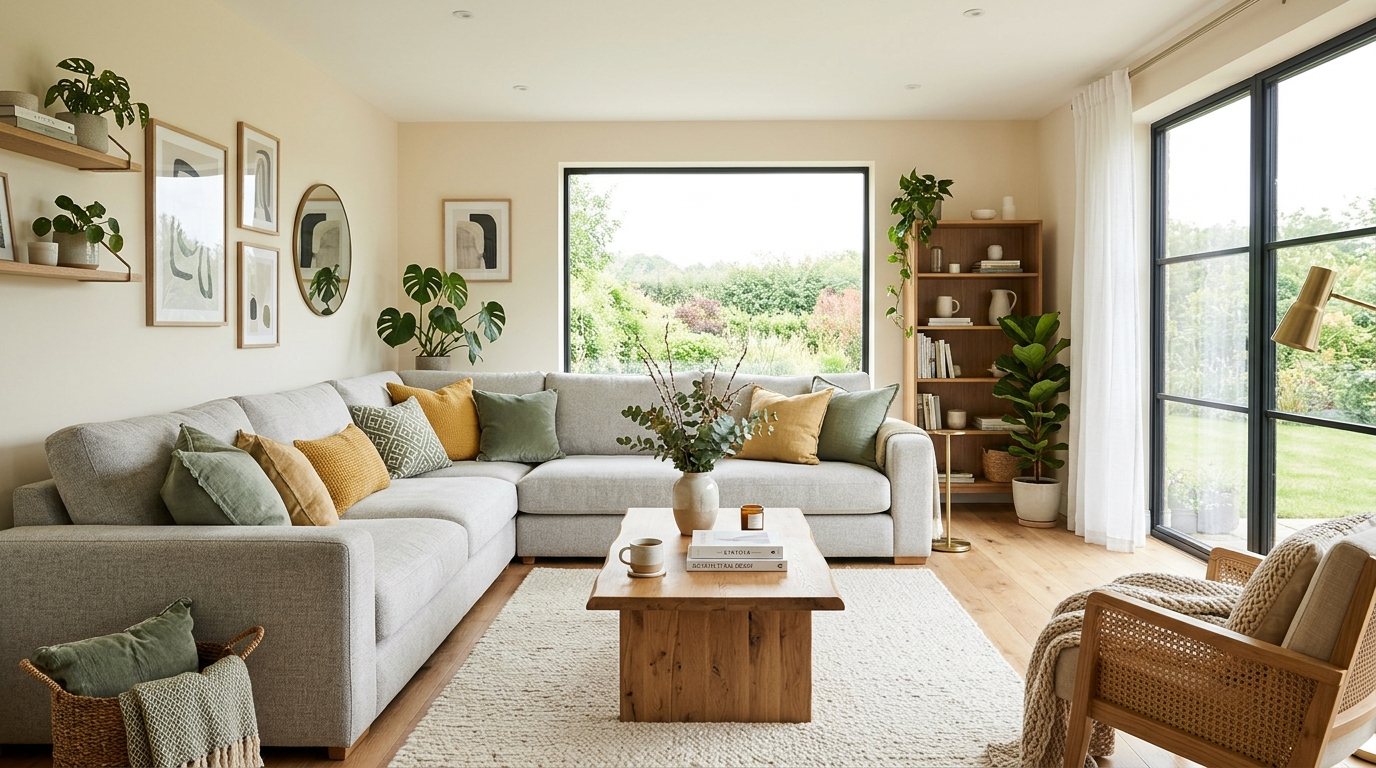
When two woods feel too far apart, add something that links them. A rug that contains both colours, a throw that picks up the lighter tone, or cushions in a shared accent will help. Metal does the same job: black, brass or bronze hardware and lamp bases sit comfortably with almost any wood. Plants, pottery and art with warm or neutral colours also act as a bridge, which is especially helpful around a mix of warm and cool tones.
Putting It Together in Real Rooms
In a dining room, the table and chairs do not have to match. A common approach is a table in one tone, chairs in a lighter or darker version, and a sideboard that repeats one of them. Our buffets and sideboards can supply that repeating tone, and our guide to round versus rectangular dining tables helps with the shape of the table itself.
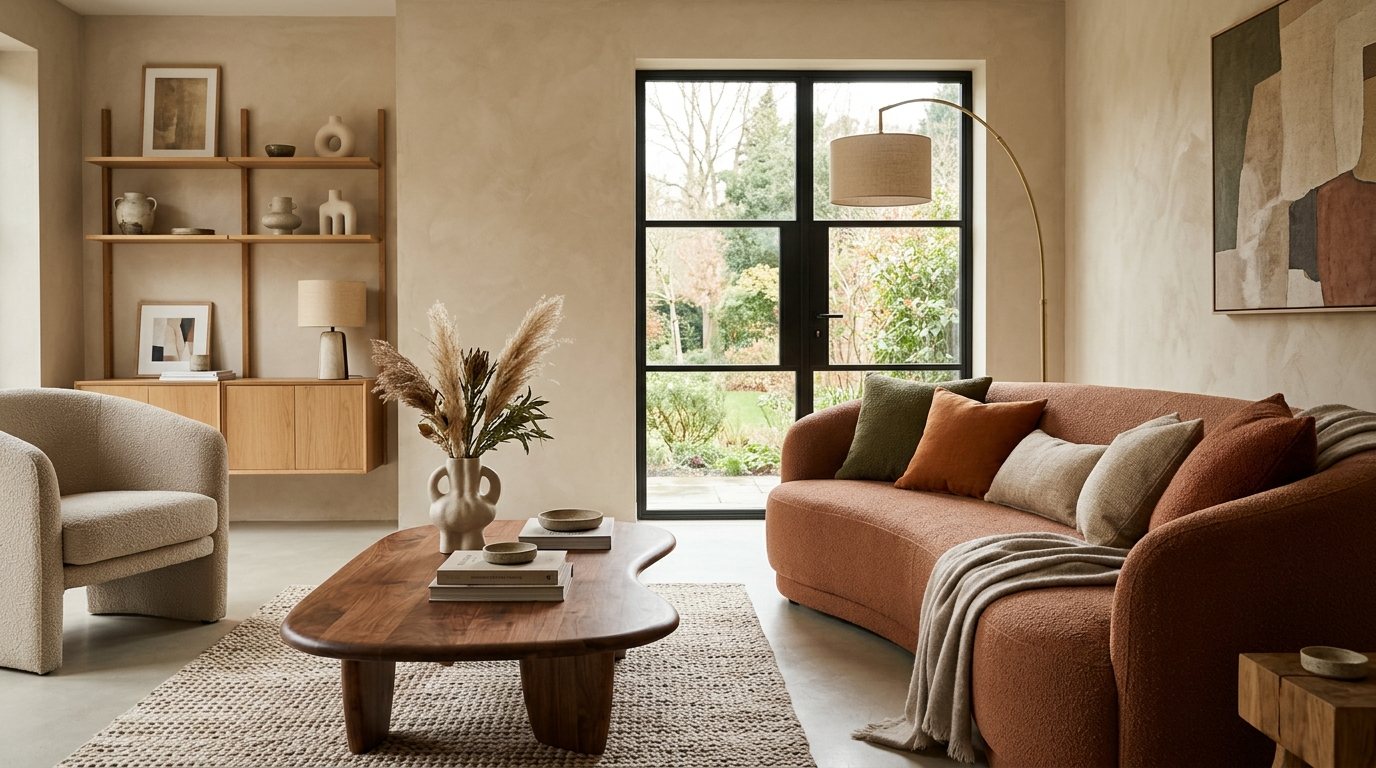
In a living room, treat the floor as one of your wood tones. If you place a coffee table that is almost the same colour as the floor, it can look like a mistake. Either match it closely or choose a clearly lighter or darker finish. Then spread the other tones across the room through the media unit, side tables and shelving. You can compare options in our living room furniture.
Dark finishes often show dust and light scratches more readily, so a regular wipe-down helps. Always follow the manufacturer's care instructions for the finish.
Frequently Asked Questions
Can you mix different wood tones in the same room?
Yes. A mixed look often feels more natural than a perfectly matched set. Pick one dominant tone, keep the undertones in the same family, repeat each tone at least twice, and add a rug, metal or textiles that connect the finishes. Avoid pairing two shades that are almost, but not quite, the same.
How many wood tones are too many?
As a guideline, two or three wood tones in one room look balanced. More than that can feel busy unless the finishes are similar. Repeating each tone in at least two places and linking them with a rug or accent colour helps a room with more variety feel organized.
Should wood furniture match the flooring?
It does not have to. If the furniture is close to the floor but not an exact match, it can look like a mistake. Choose a clear step lighter or darker than the floor, or match it very closely, and use a rug to separate the two.
Do dark and light woods go together?
Yes, the contrast is often what makes the room interesting. Keep the undertones compatible, spread both tones across the room and link them with a rug, metal accents or cushions. A very dark table beside a very pale floor works best when a few darker accents repeat elsewhere.
See the Finishes in Person
Wood colour changes with light, and screens rarely show it accurately. Visit our showroom at Unit D200, 9737 Macleod Trail SW in Calgary to compare finishes side by side, and bring a photo of your floor or a small sample if you have one. You can also browse our dining collection online before you visit.
Comments
Loading comments...
Leave a comment
Your email address is never shown or shared. Comments are read by our team before they appear.